Jump To...
What’s the fuss about?
Drop servicing has recently started to gain traction from online entrepreneurs as a viable and legit channel of making money online. But does the name ring a bell? If yes then you shouldn’t be much shocked about this business model.
Drop business models have been very popular among entrepreneurs. The idea of being the middleman without holding any inventory and selling products directly to the customers quickly escalated.
In the year 2015 Dropshipping was in high demand as YouTubers started making videos on “How I made $100,000 through drop shipping” & “Life of a drop-shipping millionaire”.
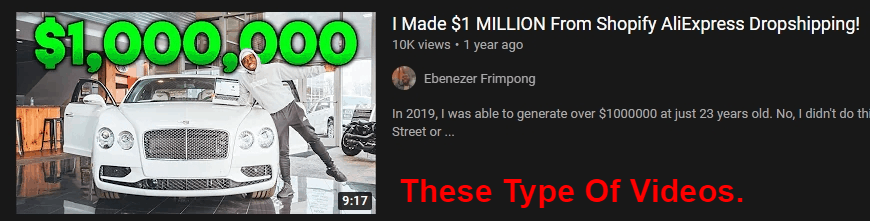
This created a textbook example of a get-rich-quick scheme and lots of people started Shopify & BigCommerce stores to start drop-shipping.
“We don’t mean that these types of YouTubers are fake or illicit.”
With more people coming into dropshipping store owners had to drop their prices whilst maintaining their profit margins. So they started listing $5 goods from AliExpress selling them for as much as $50. Thus consumers started recognizing and avoiding these offers.
More and more money was being pushed into Ads, soaring CPC’s, CPM’s and bankruptcy made the drop shipping industry a textbook example of the “Red Ocean Market”.
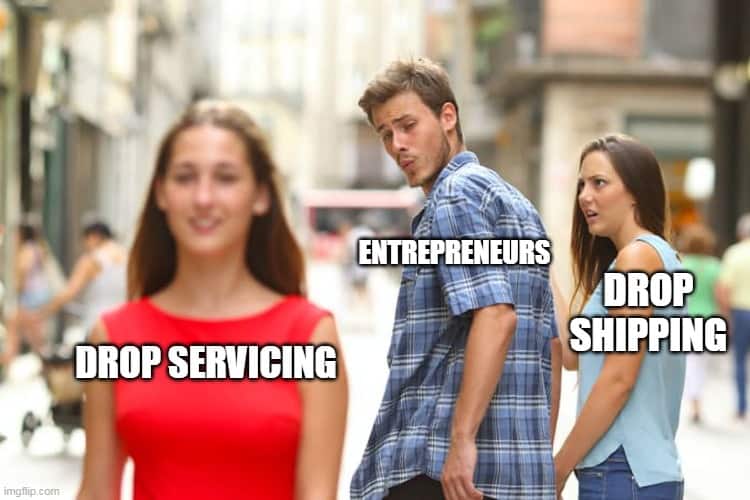
So when drop servicing came out people thought of it as the next “Pyramid Scheme”. But is it really so? Read on to find out.
What Is Drop Servicing?
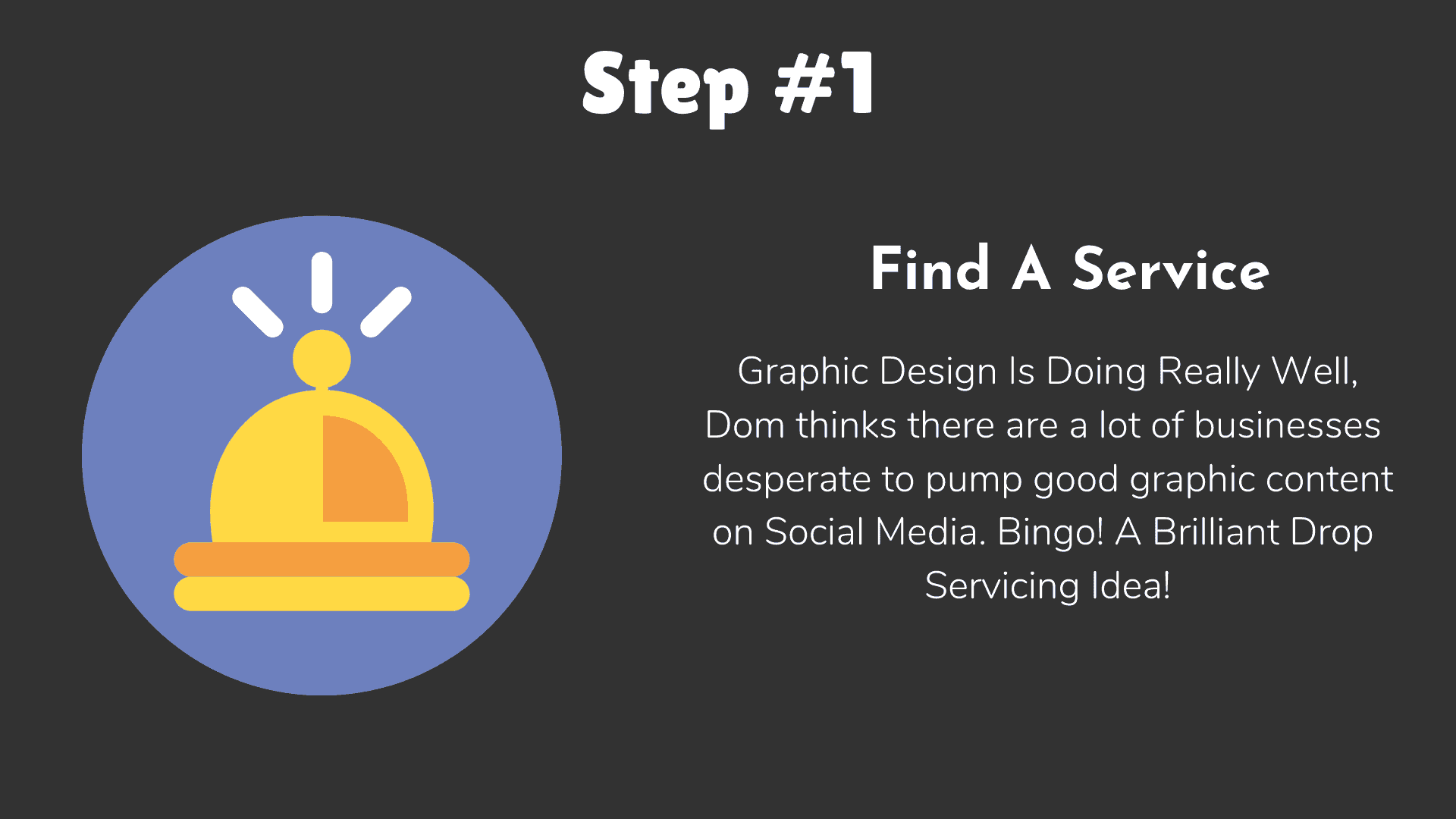
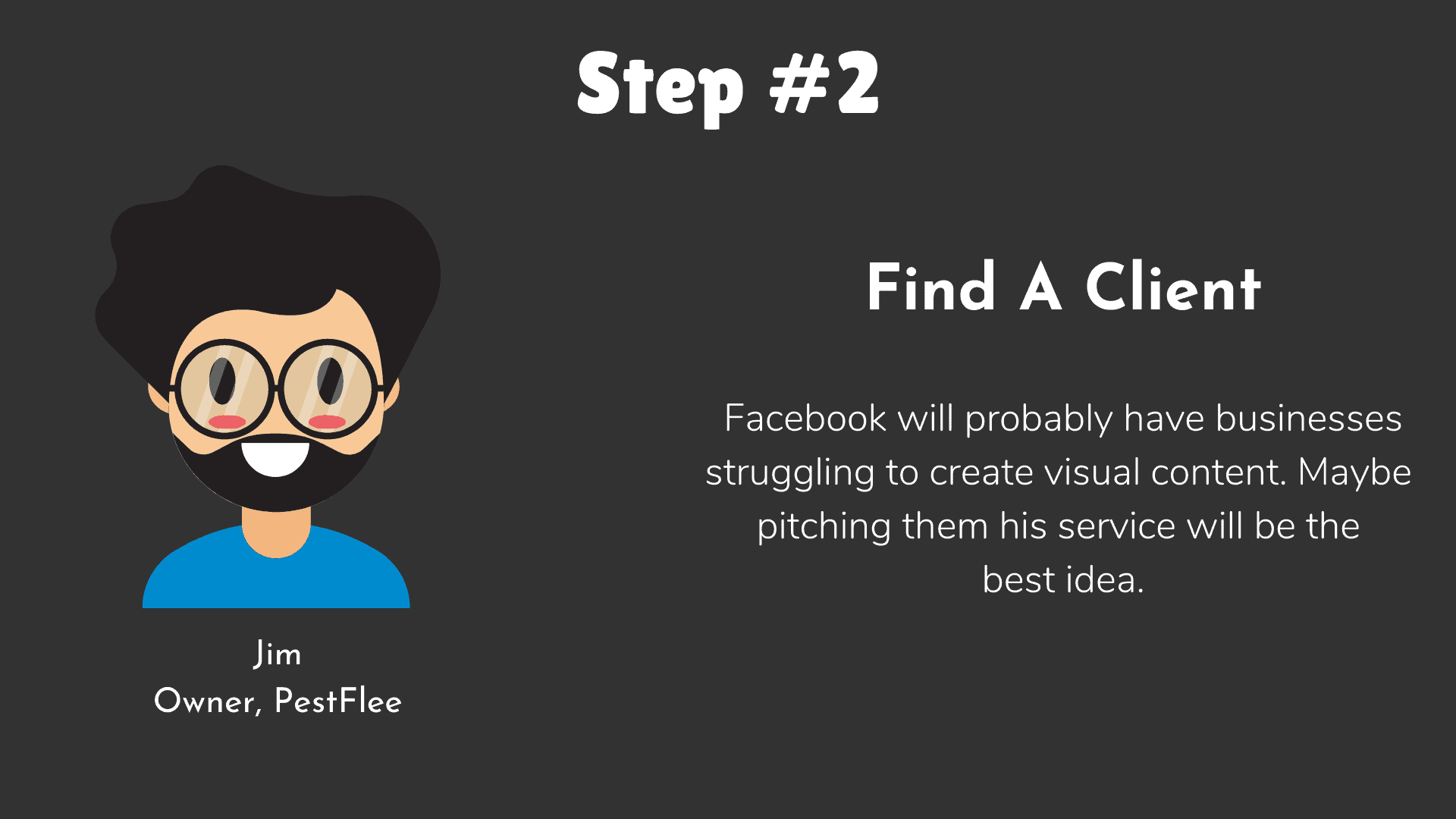
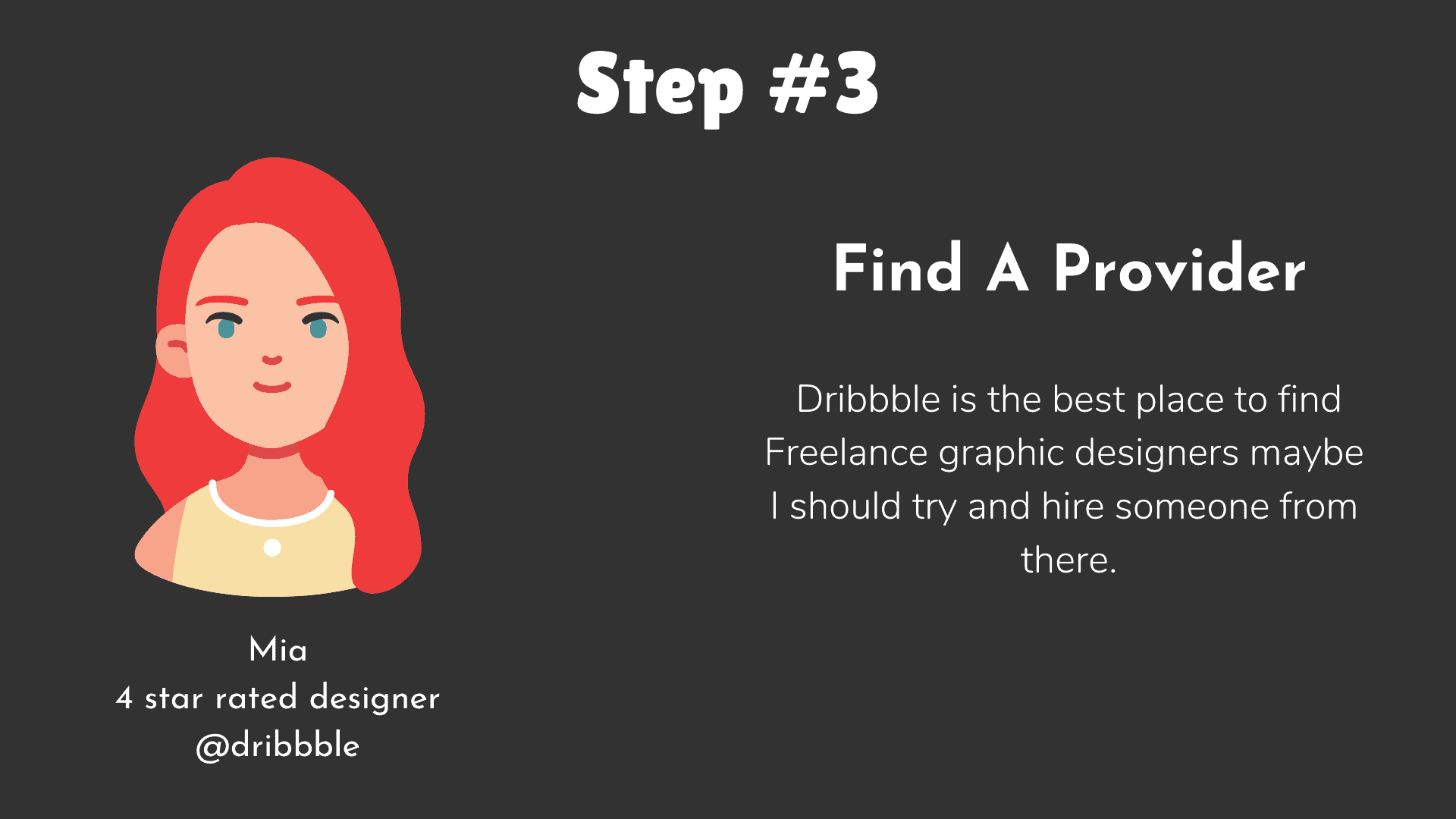
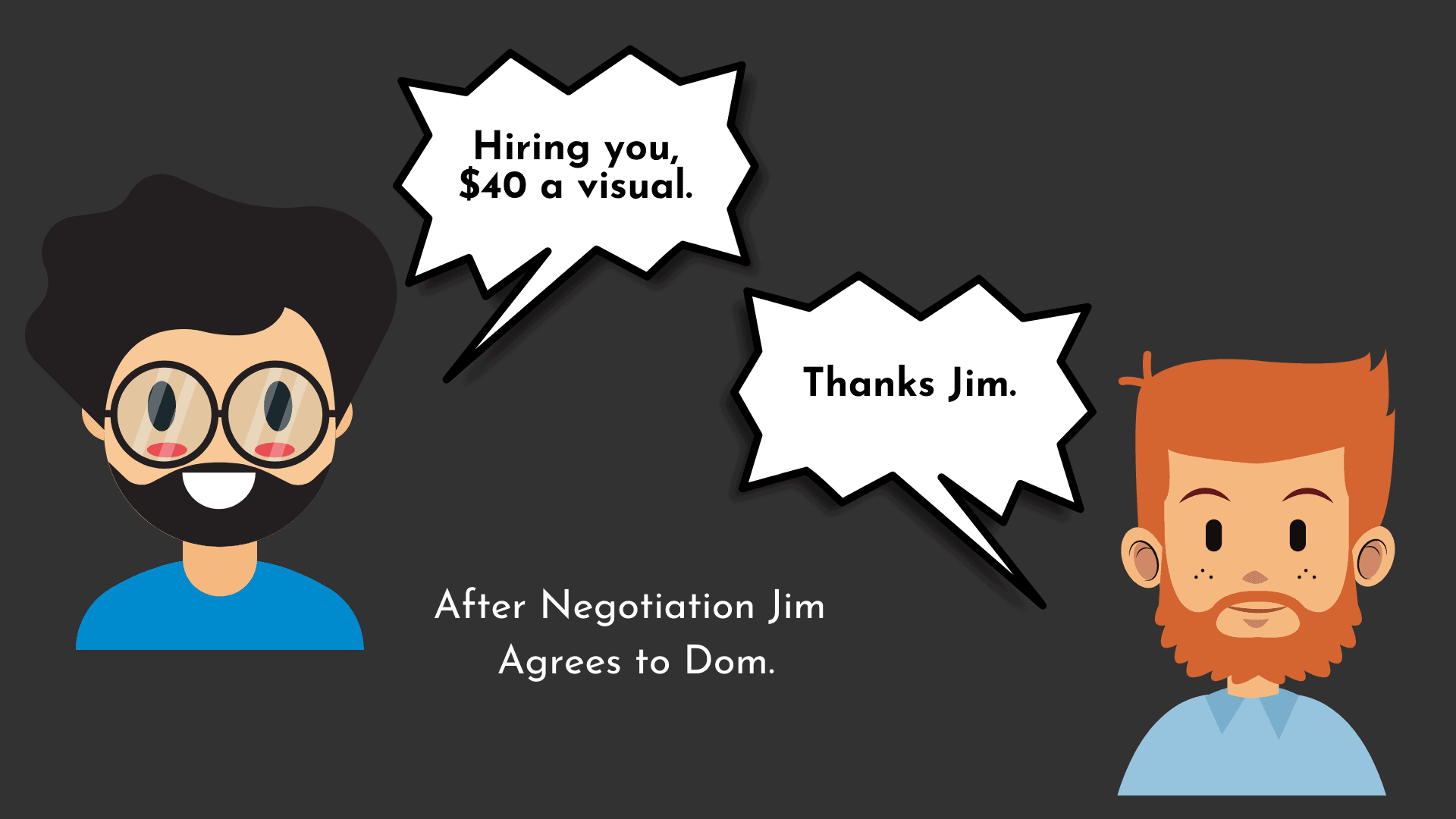
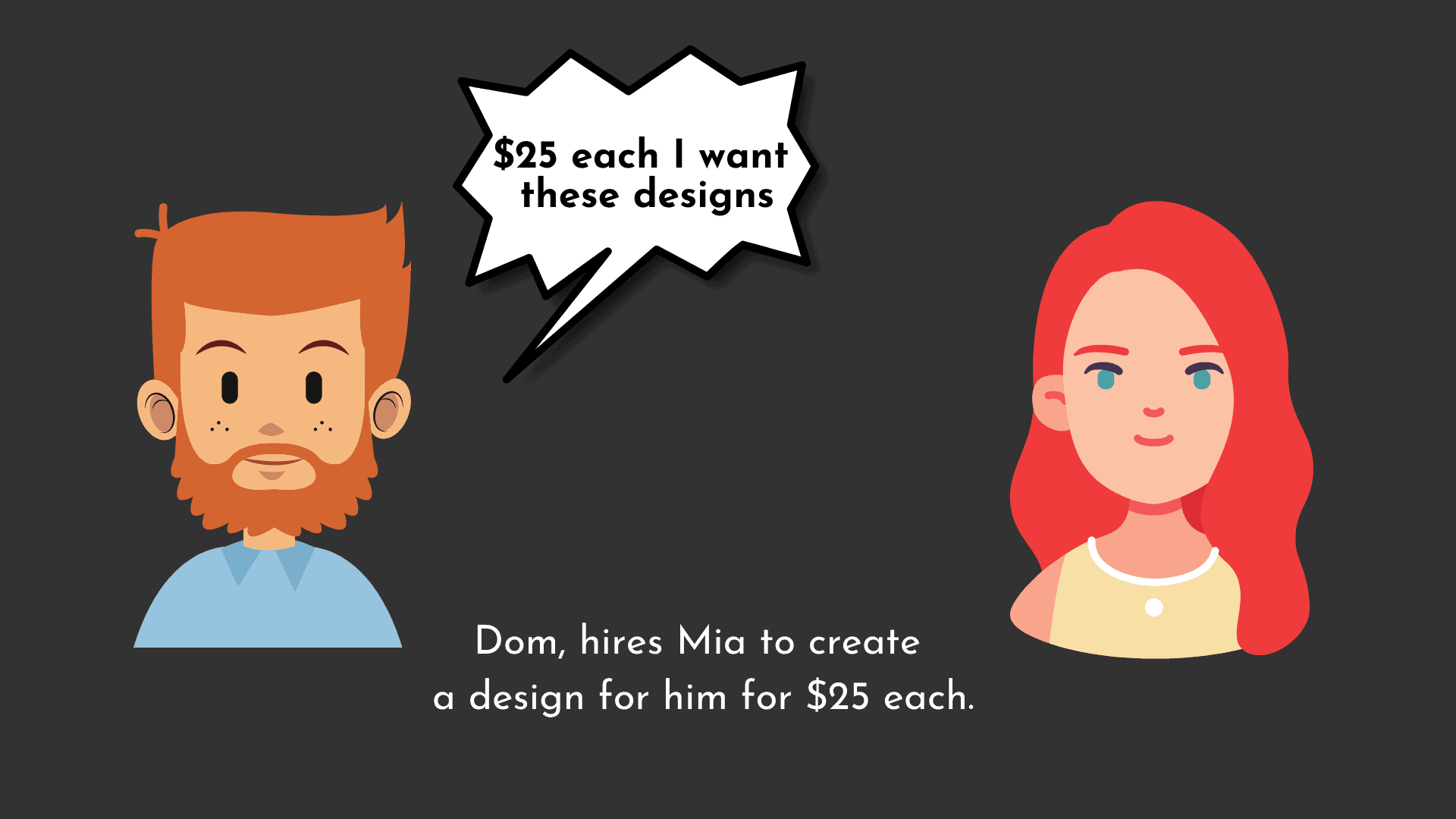

The Drop servicing business model is simple. You find a client or a prospect who is interested or needs a service (for ex:- SEO) and then you hire somebody else for a much lower price and then deliver the outsourced project back to the client. Here’s the math: You charge a client $100 and then outsource the work for $40 making $60 in your profits.
Is Drop Servicing Legal?
Yes, it is legal. We are learning it since 5th grade, about how a person X bought something for $10 sold it for $40 making a $30 profit. It is nothing wrong to resell services as long as you can find interested clients and outsourced parties.
Is Drop Servicing Worth It?
Well, there is a window of real opportunity If you can convert the Drop Servicing business model into a full-fledged business rather than a small experiment. The thing is we haven’t seen any Drop Servicing millionaires or bounty hunters yet and we haven’t fully dipped our toes into it. (We are planning on an idea)
But in our opinion, if you can find quality service providers you can surely convert this into a business (While balancing your books and mining profits). If not then you should probably move on to the next big thing.
Costs
No business can be started with an exact zero dollar investment and drop servicing is no exception. There are costs to bear and here’s a table of all the investments required:
| Name | Costs |
| e-Com Platforms (Shopify or Big Commerce) | $350 per year |
| Hosting Charges (If not opted for Shopify or BigCom) | $150-$200 per year |
| Page Builders (If using WordPress) | $89 per year |
| Marketing Automation Software | $108 per year |
| Acquisition of clients | Depends on you |
| Canva | $120 per year |
| Outsourcing fees | Depends on you |
These are just the standard costs, you will most likely have to bear more. So maintaining records and mining profit isn’t easy as it appears.
Profits
Drop servicing profits clearly depend on your skills & the money spent on Ads. Balancing Ads & Marketing spends with investments is crucial in maintaining consistent profits.
Let’s say that the CPC of a keyword is $3 and 1000 people view the ad. As a general rule of thumb, 1% click through to visit the sales/landing page (that means ten people view it), and then three people sign-up for a 30 min call and then one of them signs up for a $200 package (though it won’t be easy to get clients). So the end results; Ad spent = $30 & sale = $200.
The outsourcing cost is $100 which means $200 – $130 that is $70. Let’s say that PayPal cuts 2.5% of transactions that is $1.75 and the profit now equals $69.25.
Also, the payment of monthly bills consisting of platform charge, builder charge & marketing automation charge amounts to $40 per month, leaving you with $29 which might still be deducted.
Therefore you will get contracts with big initial profits, but these hidden charges will eat up your profits dollar by dollar.
Problems With Drop Servicing
Just like every other business drop servicing has its flaws. But to reach greater heights you have to endure greater problems and here is a list of all the problems you might face:-
#1 Costly Ads
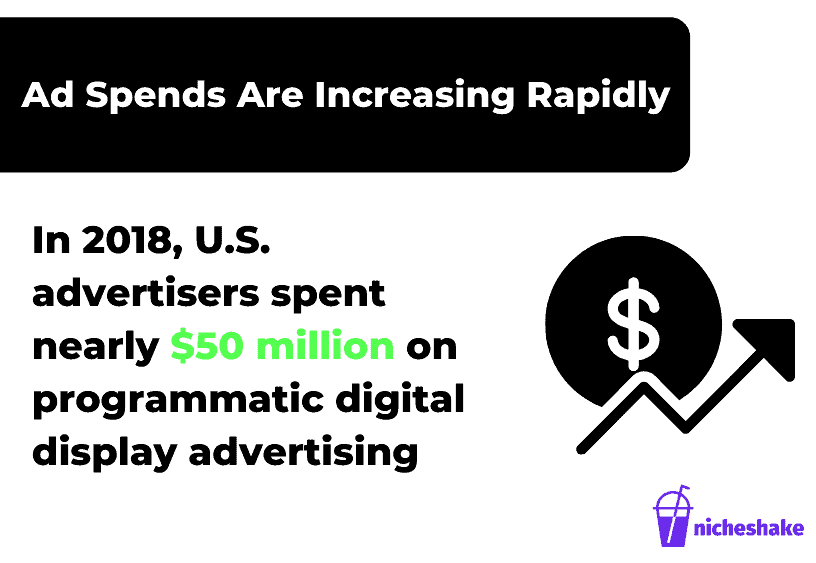
Ads have become expensive due to an increase in bidding on the same keywords. Also, the existence of red ocean markets such as Fitness, Tech etc can have a CPC of $5 or more. Thus to start drop servicing in these niches, you would have to spend much more in comparison to other markets.
Also, costs of Ads fluctuate regularly depending on the bids (platforms have ad spend limit features).
#2 Availability Of Good Providers
Third-party service providers are crucial for the success of your Drop Servicing business. Finding good service providers is difficult and expensive too. Mediocre services are often cheap, so choose your providers wisely.
#3 Business Wrecks
If someday your provider decides to shut down their services, you will be in trouble. So, having backup service providers can help you out of the problem.
(Tip:- Check the work history of your providers to obtain a rough idea about their sustainability)
#4 Chargebacks
This is one of the problems that might most likely occur while drop servicing. Your clients can sometimes be dissatisfied with your service and ask for a refund. On top of that, if your provider doesn’t do chargebacks or refunds, heavy losses will be incurred.
(Tip:- Provide good value for money & make sure your provider is flexible with refunds & revisions of work)
Still In?
All the estimated risks are summarized above and if you still wanna make it in drop servicing then continue with this guide.
Now we will run you through the basics on how to start drop servicing.
Let’s go.
What Do You Need To Start Drop Servicing?
Here is a well-formatted and thoroughly researched list of the bare minimums required to start a thriving and potentially profitable drop servicing business.
#1 Website 🕸️
A website is an absolute necessity to start dropservicing and for your clients & leads to interact with you. Here are a few platforms you should try out:
| Platform | Free | Paid |
| Shopify | 👍 | |
| BigCommerce | 👍 | |
| WordPress | 👍 | |
| GrooveFunnels | 👍 | |
| ClickFunnels | 👍 | |
| Leadpages | 👍 | |
| BuilderAll | 👍 | |
| Unbounce | 👍 |
In our opinion, Shopify is the best platform for dropservicing but you can absolutely go for other options after thorough comparisons.
Note:- WordPress is free but need to buy WordPress hosting to run websites efficiently (Costs $60-70 per year) while GrooveFunnels is completely free.
#2 Payment Gateways 💰
Payment Gateways can be used to collect money from clients and outsource services. These gateways are 100% safe, encrypted, easy to set up & deal with (a couple of tutorials should do the job). You can easily link them to your bank account or credit card. Well here are some options you can consider:
| Collector | Free | Paid |
| PayPal | 👍 | |
| Stripe | 👍 | |
| Instamojo | 👍 | |
| Razorpay | 👍 |
Just remember that payment gateways charge fees on every transaction (usually around 0.5% to 1%).
#3 Management
Platforms like Shopify & BigCommerce have built-in dashboards to record data and manage different activities. But from time to time you might need a third-party tool to manage specific clients portfolios metrics not available by default. Here is a list of tools:
| Name | Free | Paid |
| Airtable | 👍 | |
| Google Sheets | 👍 | |
| Google Docs | 👍 | |
| Workflowy | 👍 | |
| Trello | 👍 |
#4 Content & Other Tools ⚒️
You will also need to invest in other tools such as a graphic creator, presentation software, scheduling tool, chatbot etc.
| Name | Free | Paid |
| Calendly | 👍 | |
| Google Slides | 👍 | |
| Canva | 👍 | |
| Biteable | 👍 | |
| Drift | 👍 | |
| Mention | 👍 | |
| Google Analytics | 👍 | |
| CrazyEgg | 👍 | |
| Hotjar | 👍 |
And that’s all the basic tools & requirements to start drop servicing.
Drop Shipping vs Drop Servicing
Here is a closer look at how dropservicing is different from dropshipping in some major aspects:
Dropshipping
- Ship & sell physical products.
- Red Ocean Industry.
- Webapps like Oberlo and Ezusy help you automate your dropshipping business.
- No inventory required. You don’t need to store your physical products.
- Product refunds, chargebacks, legitimate products, delivery & other problems.
- Easier to generate sales (on low ticket items) than drop servicing.
Dropservicing
- Dropservicing is pretty much easier and straightforward.
- Lesser initial capital than Dropshipping.
- Tying up with freelancers & white-label agencies.
- Refunds, chargebacks & quality of service can be a issue.
- Harder to convince a client to pay for a service that is intangible.
FAQ’s (Reddit, Quora etc)
How to find a reliable service provider?
First of all, try to avoid freelancers and associate with white-label agencies as it increases accountability. If you still want to go with freelancers, use a freelancing site or find niche job marketplaces like dribble for designers(Fiverr freelancers can get irritating & often disappoint with results).
Will it work?
Depends on your skills & determination. Drop servicing is like every other business; it needs sacrifices, skills to scale and generate profits. Don’t get demotivated and keep hustling (Join our discord server for tips from like-minded hustlers).
The time it will take?
It will probably take 5-6 months to get the ball rolling.
Should I take a course?
Absolutely not! Courses for dropservicing aren’t that good yet. But you should take free courses on Facebook Ads, Funnels & Lead Generation. We are looking forward to creating a dropservicing course soon. Nonetheless here is a course we would recommend.
Niches to try?
It’s simple. Sign-up for our list of 10+ dropservicing niches for free in the email opt-in (one with the pigeon).
Wrapping Up
Drop servicing is still in its infancy and there will be a time when more people will pitch in making it a red ocean just like drop-shipping. The best advice would be to start right now on a smaller scale, with fewer investments, smaller contracts and then expanding to big deals & revenue.
This guide should have given you an ideal launchpad for dropservicing business, if that’s the case save it and give this post a share. We really hope you succeed.
Adios!
If you are looking forward to starting a business, please check out our Map to success and choose our recommended products (Support us by doing so).